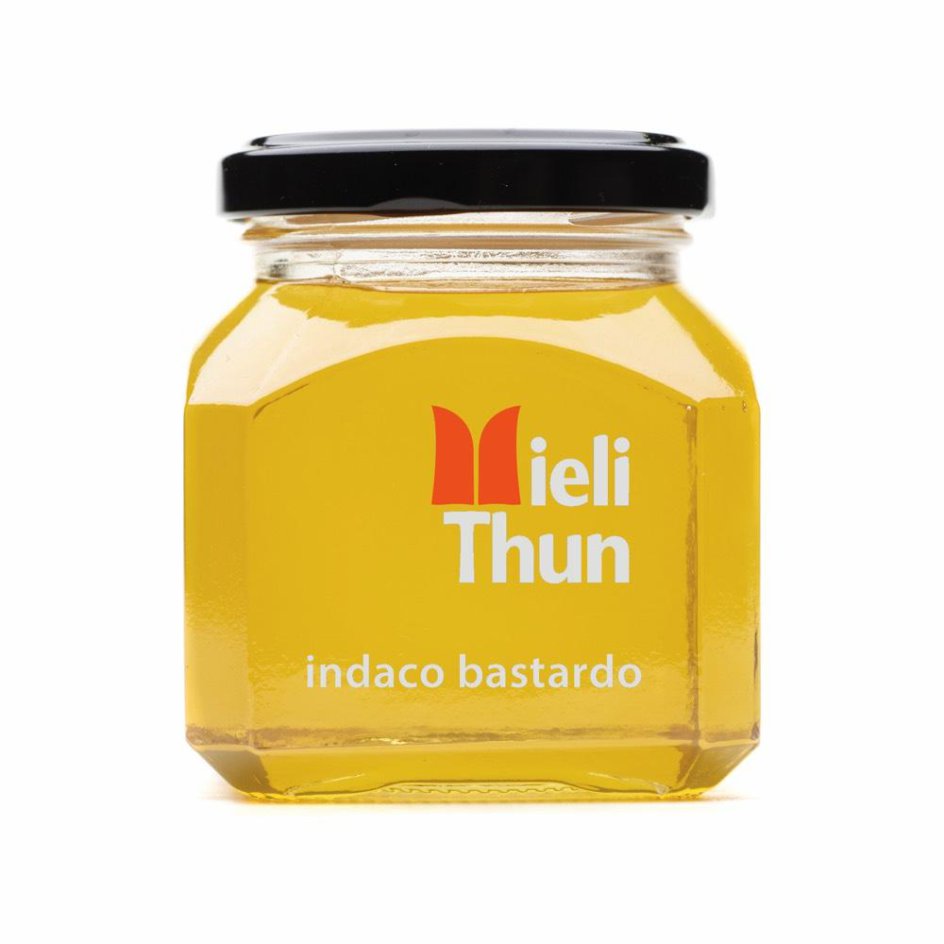
Honeys

bastard indigo

€1.95
Description

The bastard indigo honey captures different nuances, with organoleptic characteristics that can vary significantly depending on the production area. It crystallizes a few months after packaging and appears light in color, often enhanced by characteristic pink reflections.
On the nose, it is delicate, with evident fruity notes sometimes reminiscent of grapefruit; on the palate, it recalls red fruits, particularly raspberry and strawberry.

The result is a very interesting and changeable honey that combines freshness with delicate fruity notes.
Color
Liquid
Crystallized
Pairings and uses

The bastard indigo honey pairs well with summer fruits, particularly red ones like raspberries, strawberries, and blueberries, but also plums, peaches, and citrus. It is suitable for caramelizing fruit skewers or macerating them to prepare sangria.
It can be used to whip up a raspberry cream with lemon juice, to be served with pancakes or as a filling for crêpes, or in a reduction of blueberries, currants, or plums to be served with a braised beef cheek.

Plant variety

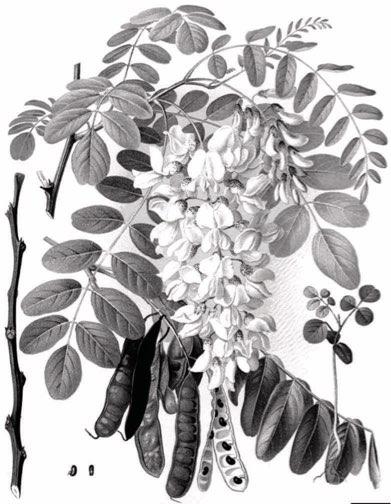
The bastard indigo is a deciduous shrub belonging to the Fabaceae family. It grows spontaneously and spreads rapidly due to its suckering nature, favoring moist areas, particularly riverbanks and floodplains.
It is an invasive species that tends to compete with the black locust and the tree of heaven, which it resembles in habit and leaf arrangement.
The flowers, violet with golden yellow tips, are gathered in vertical clusters. In the past, the plant was used to produce deep blue dyes, but it can be poisonous to grazing animals.

Accompanying pollens

Rosaceae, crucifers, Judas tree, pomaceous, reseda.

These are the possible nectars (belonging to other botanical species) present in the honey in a reduced percentage.

€1.95
Cart
Subtotal
Proceed to order