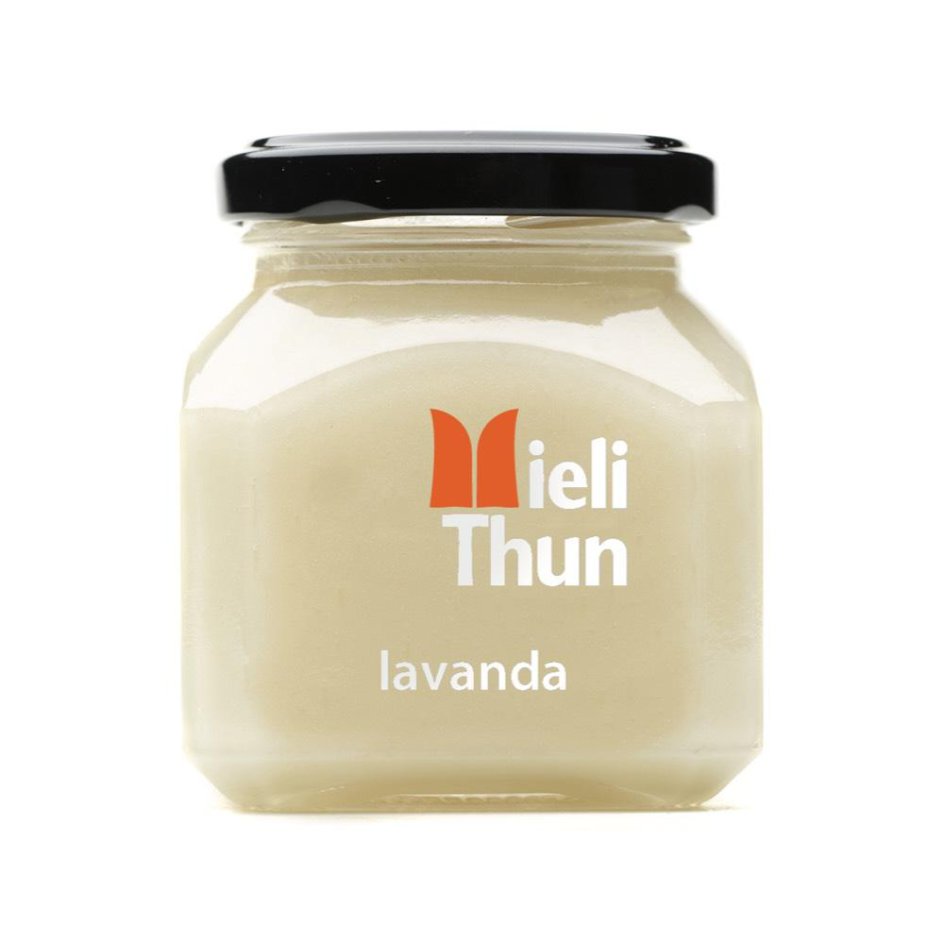
Lavender honey is recognized for its pearly color and a consistency with a pleasant melting effect, making it unforgettable by the spoonful. There is a deep identity between the scent of the flower and that of the honey, which releases delicate notes of spices, jasmine, and honeysuckle, combined with the vibrant scent of Provence lavender, where the plant grows both wild and cultivated, painting every corner of the territory; on the palate, the floral correspondence closes with the clear and clean scent of chamomile. The result is an elegant honey that translates the freshness of Mediterranean flowers into sweetness.
Honeys
lavender
Description
Pairings and uses
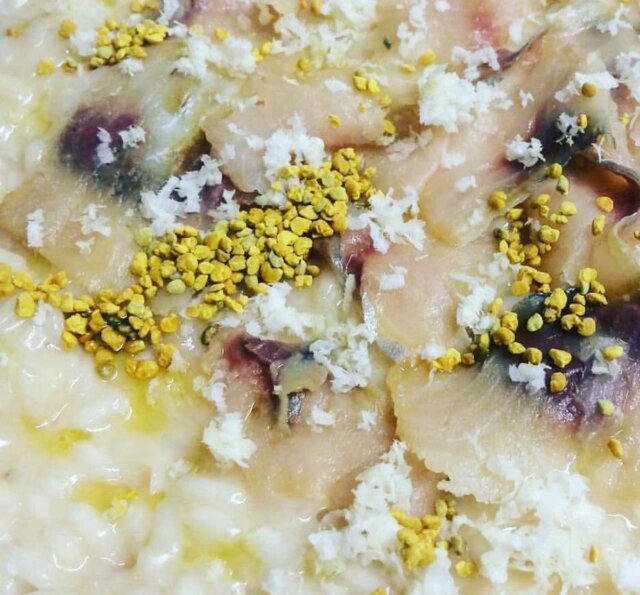
Lavender honey is ideal for blending with Normandy salted butter, candying orange slices, or marinating fresh fruits like peaches and melons, which can then be grilled. It can be used to prepare a glaze for roast duck or to thicken cooking juices. It enhances vegetables and their juices for drinking and is also excellent in water and lemon with a fresh mint leaf for breakfast.
Plant variety
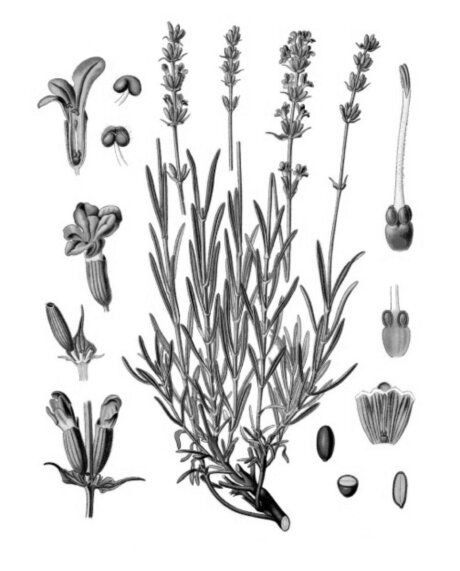
Lavender is an evergreen plant belonging to the Lamiaceae family. Highly aromatic, it is characterized by its typical spike inflorescences and its shrubby or subshrubby habit, sometimes tufted-shrubby and more rarely herbaceous, of short duration. It is cultivated in much of the Mediterranean basin but finds its ideal habitat in Provence, where it blooms in July and is very nectariferous: the honey produced during this period is distinguished by its balance and aromatic finesse, while the inflorescence may show less refined notes and animal hints at the end.
Accompanying pollens
Bramble, chestnut, sunflower, clematis, sainfoin.
These are the possible nectars (belonging to other botanical species) present in the honey in a reduced percentage.