How honeyis produced
From flower to jar: we tell you the journey that transforms nectar into honey thanks to the work of bees and the beekeeper.

The locations
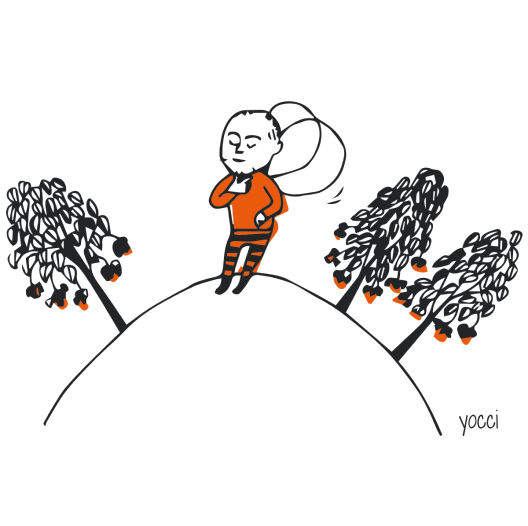
We practice nomadic beekeeping: we take the bees to over 60 different locations throughout Italy. The moves always take place at night, during the hive’s sleep.
The goal
We seek specific blooms that allow us to create a collection of monofloral honeys, obtained from a single type of flower.
The habitat
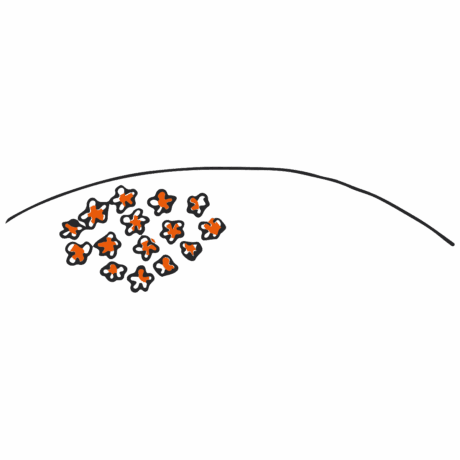
Making nomadic honeys means seeking the best floral and territorial expression of honey. Each plant has its ideal habitat: it is our task to find it and place the bees.
The bloom
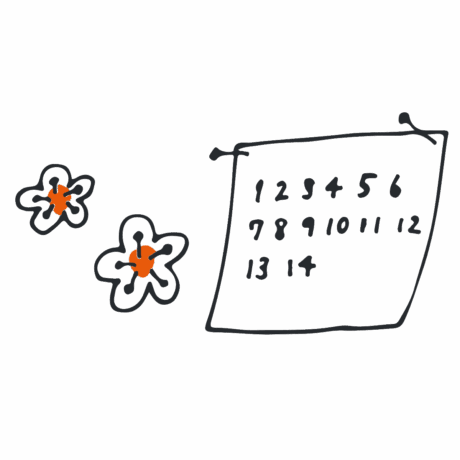
Each flower opens at a specific time of the year and the bloom lasts about two weeks.
The fidelity
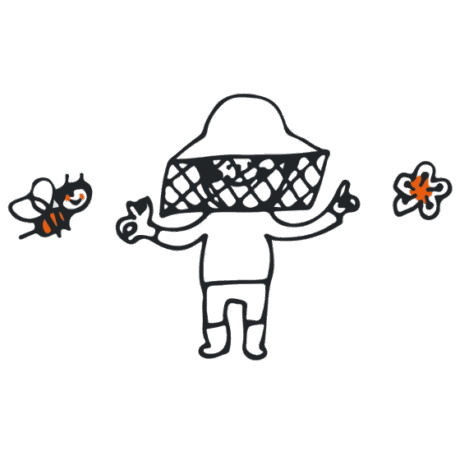
Bees are naturally faithful to blooms. And we are faithful to them.

The dance
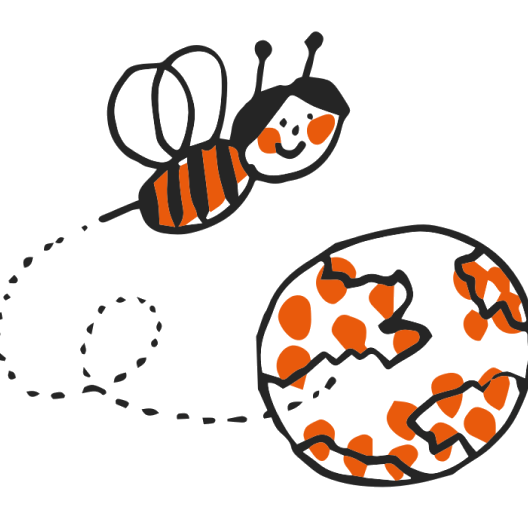
Scout bees communicate to their companions the direction to fly to reach the flowers by moving their abdomen, like in a dance.
The harvest
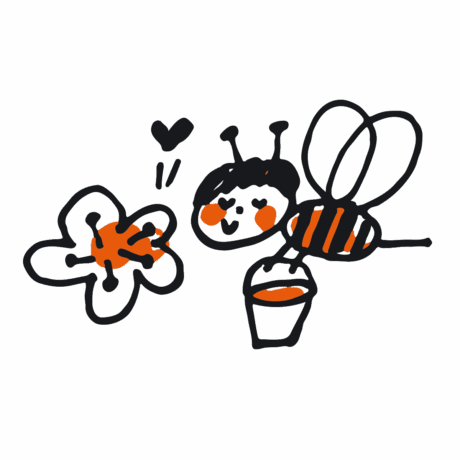
The bees collect the nectar and begin to process it in the honey stomach during the return flight to the hive.

The magic
In the bees’ crop, the nectar meets invertase, the enzyme that breaks down sucrose into glucose and fructose.
The kiss
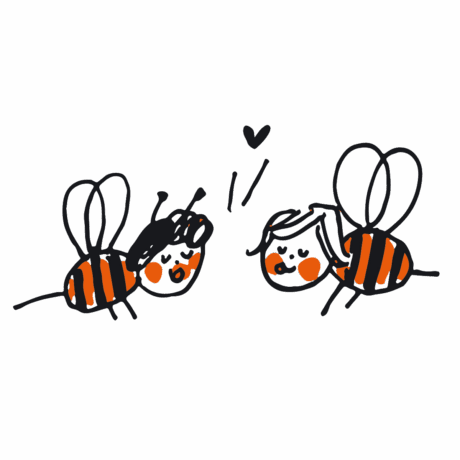
Back at the hive, the bees approach each other, touch, and pass the nectar with their extended tongues: a kiss in which the sweetness of the freshly visited flowers is concentrated.
The wind
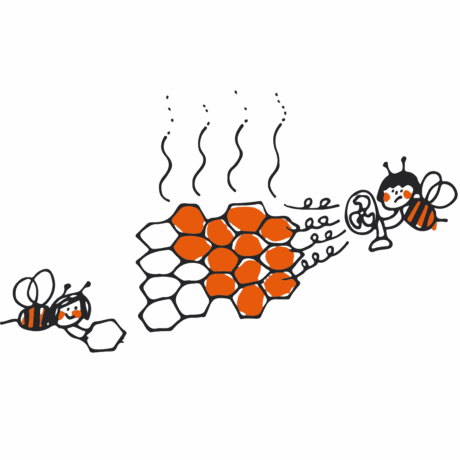
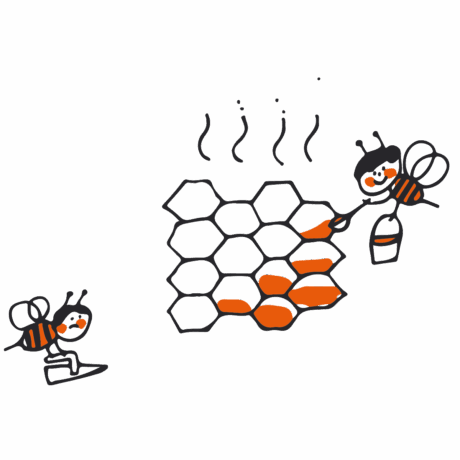
To preserve the nectar, it is essential to dehydrate it: ventilating bees beat their wings, generating air currents that promote the evaporation of water in the hive.
The storage
When the bees consider the honey ready, they deposit it and seal it in the hexagonal cells that make up the honeycomb.

The second harvest
At the end of the bloom, when at least three-quarters of the cells are sealed, we collect the honey by gently removing the bees from the honey supers using a kind of vacuum cleaner.

The transport
We take the honey-filled supers to our laboratory.
The processing
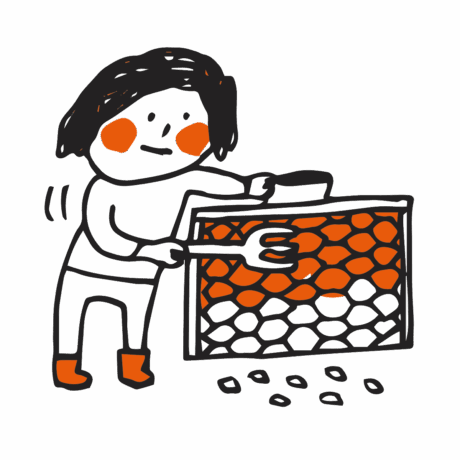
In the laboratory, we remove the operculum, the thin wax cap that seals the cells.
The centrifuge
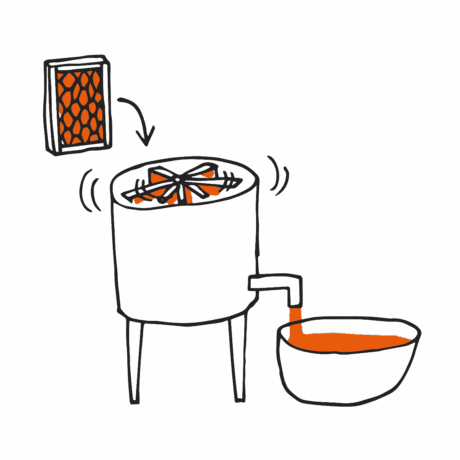
With special machinery, we extract the honey from the supers.
The wait
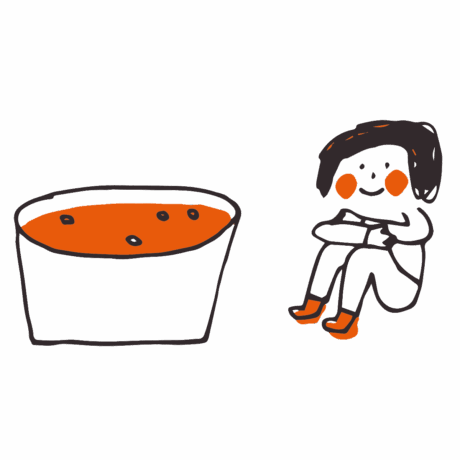
We let the honey rest for a few weeks, allowing it to naturally stabilize.
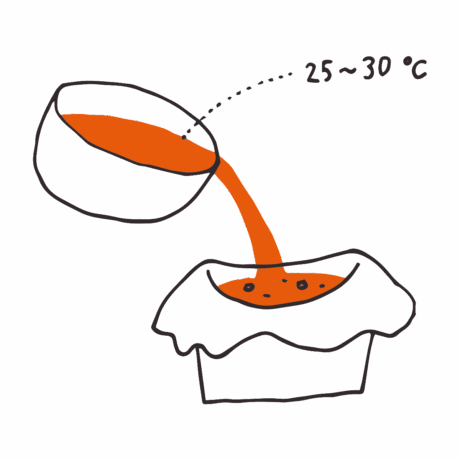
The filter
We carefully filter the stabilized honey to remove wax and other small impurities.

The jar
Finally, we pour the honey into jars and label them: it is ready to reach you.
How honeyis tasted
How to fully savor honey? We guide you step by step to recognize colors, aromas, and textures.

Before tasting
To fully enjoy the experience, we recommend not tasting the honey immediately after eating, especially sweets and foods with strong flavors, or drinking coffee, alcoholic or flavored beverages. It is also better to avoid smoking and using toothpaste, mouthwash, perfumes, aftershaves, deodorants, or cosmetics that may alter the sense of taste and smell.
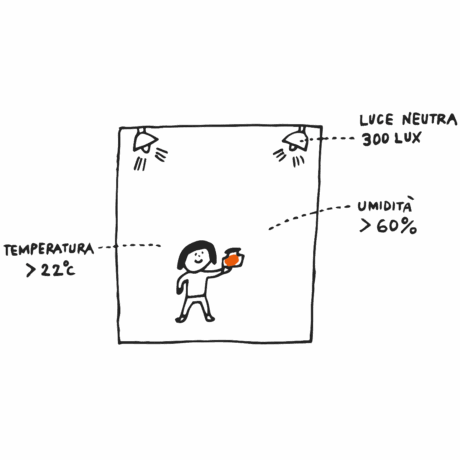
The environment
Carefully choose the place where you will do the tasting: temperature, humidity, and lighting affect the perception of honey.
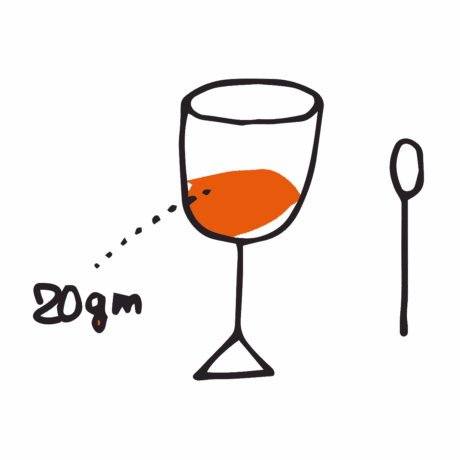
The gesture
For the tasting, you need about 20 g of honey. Pour it into a stemmed glass and gently spread it on the walls with a spoon until you obtain a thin layer: this increases the contact surface with the air and releases aromatic particles.

The sight
Observe the honey carefully: note the general appearance, the presence of impurities, homogeneity, clarity, color shades, crystallization, and any fluorescence or pearlescence. Colors can range from pearl white to yellow, orange to amber brown.

The smell
Bring your nose close to the mouth of the glass and take a few short breaths. The scents can be delicate or intense. After about 20 seconds, repeat the operation trying to recognize the notes released by the honey and their intensity.
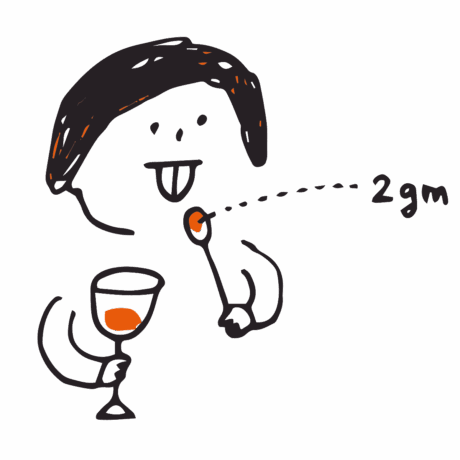
The taste
Take a teaspoon of honey and mix it slowly in your mouth with saliva. When it has dissolved, swallow it, perceiving the taste, aromas, and other gustatory sensations.
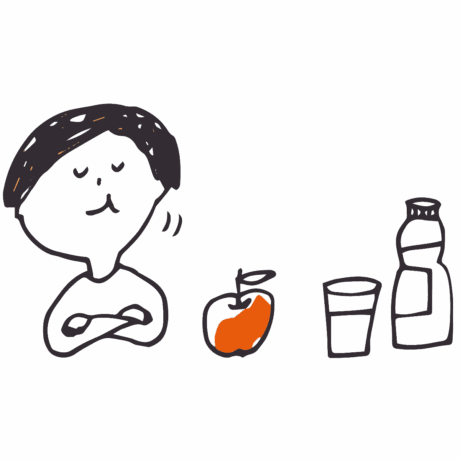
The texture
Feel the texture by kneading the honey between the palate and the tongue. Pay attention to adhesiveness, crystallization, and solubility: the characteristics that tell the quality of the product.
How honeyis stored
We help you care for honey to preserve its quality, aromas, and properties with small daily gestures.
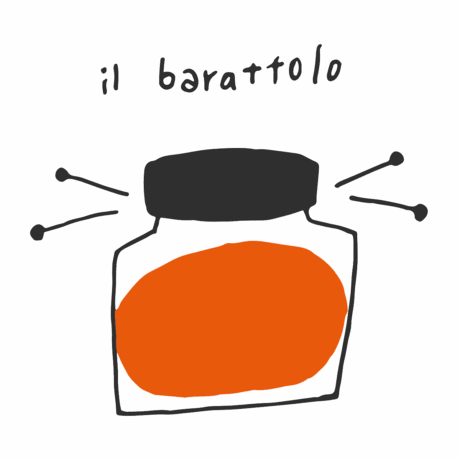
The jar
Once opened, carefully close the jar. Honey is hygroscopic: it naturally absorbs moisture and odors.
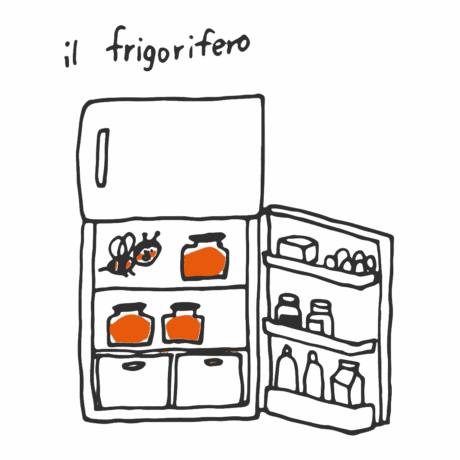
The refrigerator
Store the jar of honey in the lower part of the refrigerator at about 4 °C: it is the best way to preserve its quality and aromas.
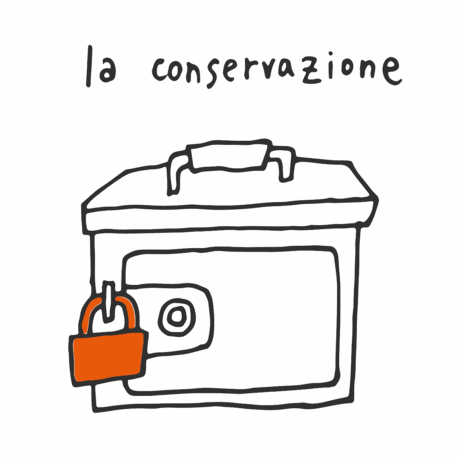
The storage
If well kept, you can enjoy the honey even a year after opening the jar.
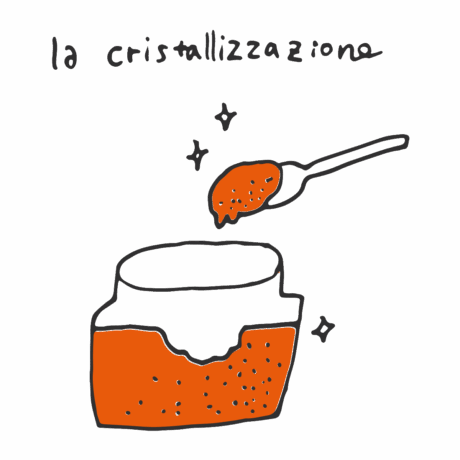
The crystallization
Crystallization is a natural phenomenon: it occurs when honey contains more glucose than fructose, a characteristic related to the type of nectar collected by the bees.
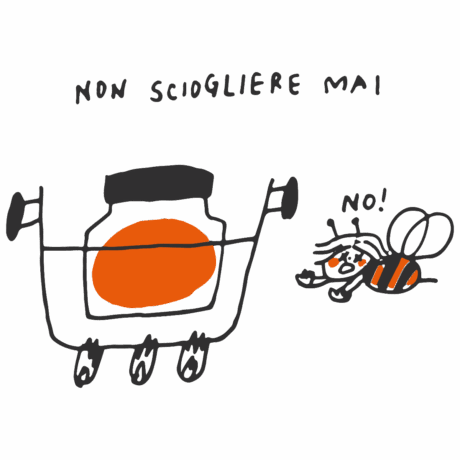
The heat
Crystallized honey becomes liquid above 24 °C, but it is better not to heat it: heat alters its aromas, flavors, and nutritional properties.
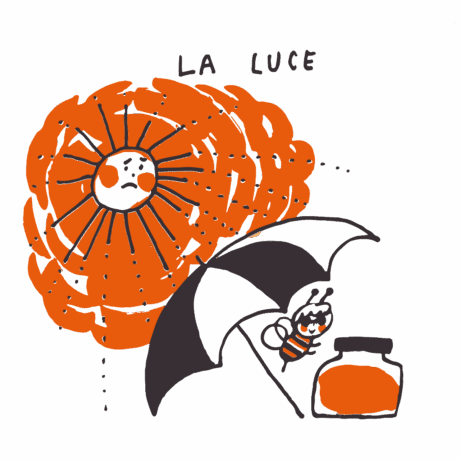
The light
Honey is a living food and does not like direct sunlight. In the hive, it is stored in the dark to protect its quality and delicacy.
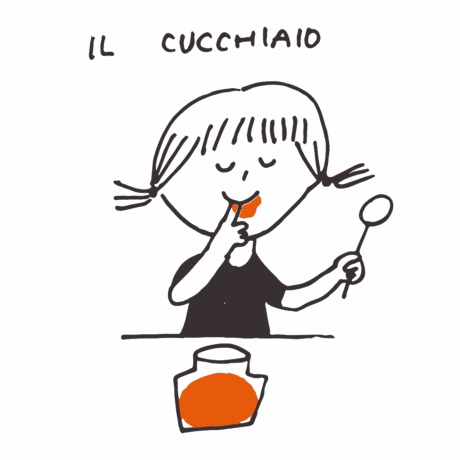
The spoon
The spoon is the “cleanest” tool for collecting honey from the jar, but at home, you can also use your finger and have fun comparing tactile sensations with taste sensations.