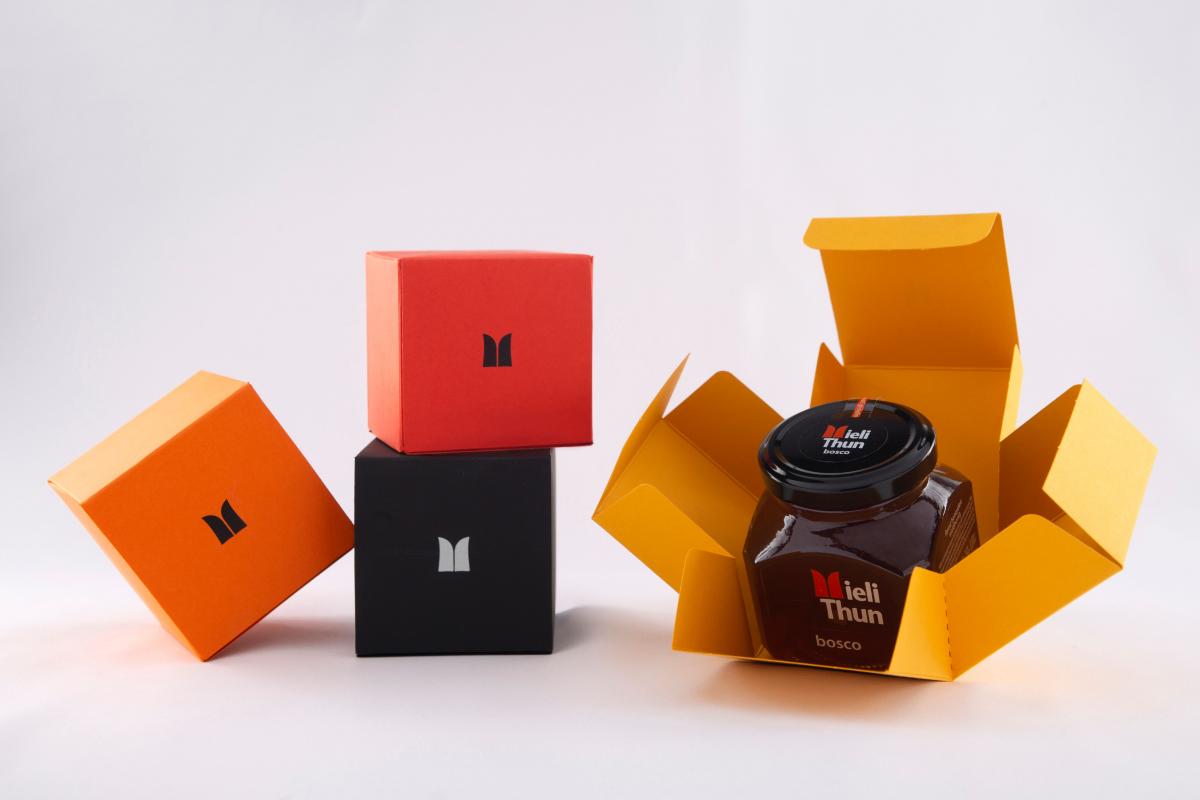
Forest honeydew is the richest in mineral salts ‒ up to 1.5%, with a predominance of potassium ‒ and for this reason, it is often referred to as the athletes’ honey. It is produced with forest honeydews originating from broadleaf trees, that is, deciduous or annual plants, including oaks, robinias, beeches, tree of heaven, poplars, willows, brambles, nettles, and clovers. It crystallizes slowly, especially in the presence of sunflower and goldenrod nectar. On the nose, it releases an intense and penetrating aroma of vin santo, apricot compote, ripe fig, and dark spices, with a licorice finish; on the palate, the taste is marked by tones of carob, rhubarb, and green tomato jam, with a cooked cane sugar aftertaste.
Honeys
forest
Description
Color
Liquid
Crystallized
Pairings and uses
Forest honey sweetens American or moka coffee and plain yogurt with nuts. It is ideal for topping ice cream or a slice of bread with butter or extra virgin olive oil. It can be used for intense-flavored dressings and sauces, to finish barbecue dishes, and in sweet and savory preparations with dark spices. It enhances slow-cooked meats or lake fish and boiled carrots sautéed with cumin.
Plant variety
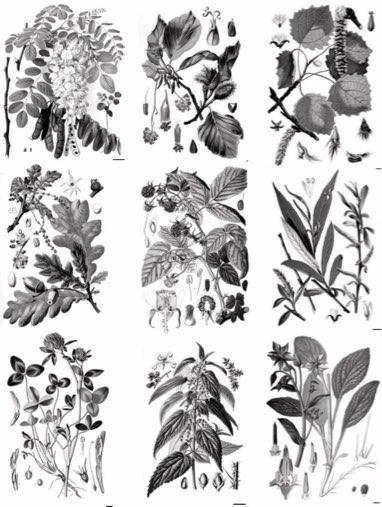
Forest honeydew honey does not come from flower nectar but from sugary substances that bees collect on various tree species, such as oaks, robinias, beeches, tree of heaven, poplars, and willows, on shrub plants like brambles, and on herbaceous plants like nettle and clover. These substances are produced by insects (including Metcalfa pruinosa, aphids, and psyllids) that, feeding on plant sap, expel excess sugars. Bees collect them and transform them into a particularly nutritious honey rich in minerals.
Accompanying pollens
Bird’s-foot trefoil, purple loosestrife, bramble, verbena.
These are the possible nectars (belonging to other botanical species) present in the honey in a reduced percentage.