Honeys

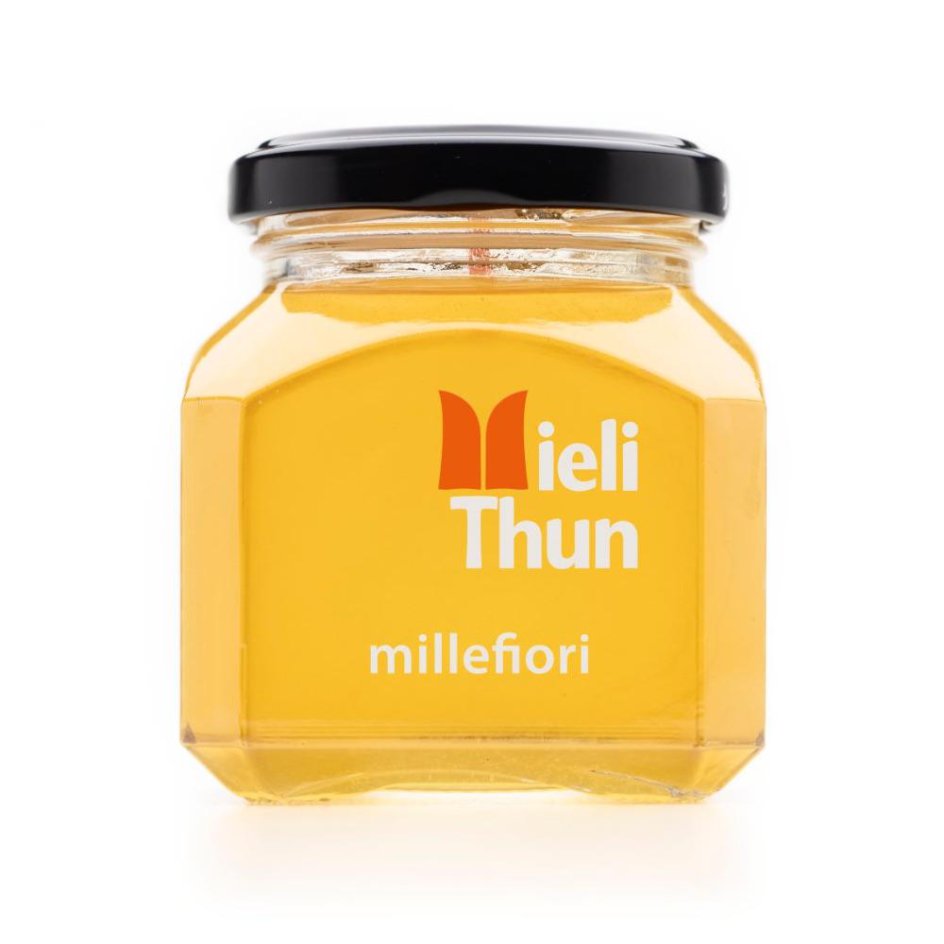
wildflower

€1.95
Description

Wildflower honey embodies the archetypes of complexity and plurality of honeys, born from the infinite combinations of nectars that reflect the colors, scents, and aromas of their original environments. In Italy, the more than 8,000 botanical species present ‒ out of a total of 18,000 recorded in Europe ‒ offer an extraordinary variety of honeys linked to the flora of plains, hills, and mountains, in constant dialogue with the changing seasons. Precisely because of this richness, wildflower honey is not a honey with homogeneous characteristics, but a product that identifies each beekeeping with unique shades of color, scent, and taste.
Mieli Thun wildflower honey presents with an intense golden color and lively reflections.
On the nose, it releases clear floral and candied fruit notes; on the palate, the wide aromatic range, with good sweetness and persistence, alternates rhythmically between memories of fruit preserves and peach syrup.

The result is a honey that tells the story of biodiversity and the indissoluble bond between bees, flowers, and landscapes: a mosaic that renews itself year after year, always different.
Pairings and uses

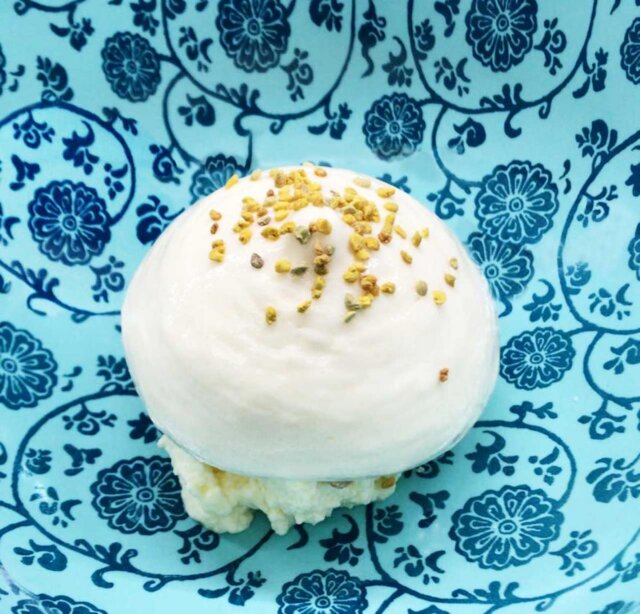
Wildflower honey pairs well with fresh soft cheeses, ice cream, and panna cotta.
It can be used to candy fruit or to sweeten milk, tea, and herbal teas.
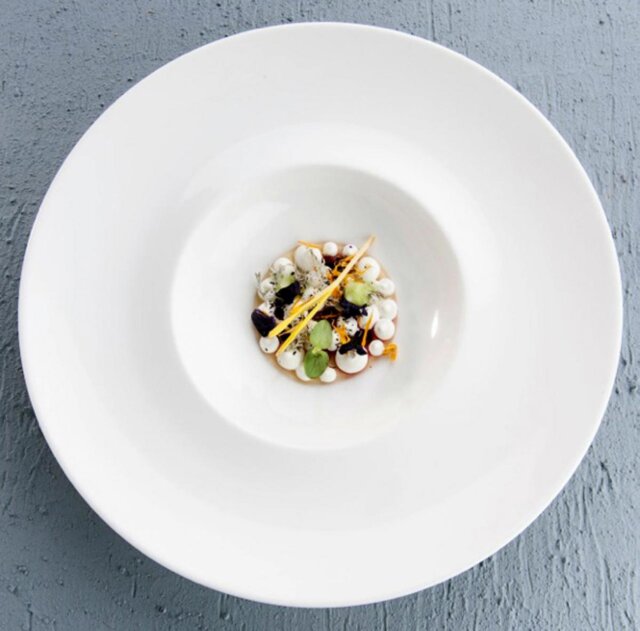
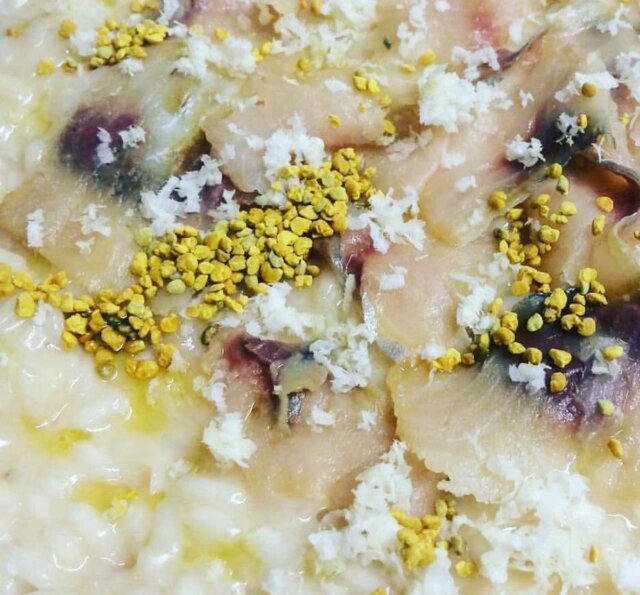
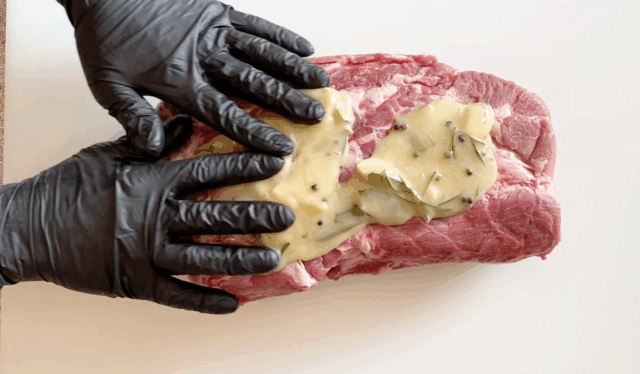
Its versatility makes it ideal for many preparations: from dressing to marinating, from cooking meat or fish to enjoying it naturally, where its aromatic variety is fully expressed.

Origin

Altitude distribution: 0-1,400 m.
Flowering period: from April to September.

Plant variety

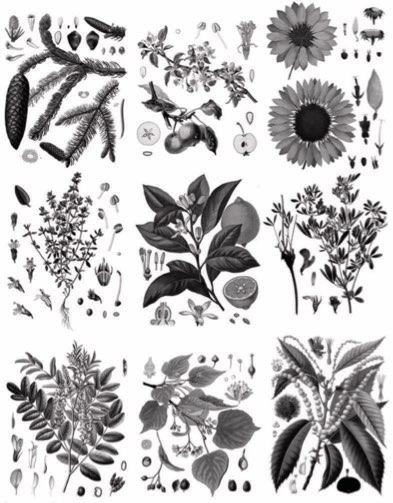
Wildflower honey comes from a wide variety of plants, including Fabaceae, Asteraceae, Rosaceae, Brassicaceae, Boraginaceae, and Apiaceae. In Italy, there are more than 8,000 botanical species, over half of those recorded throughout Europe, offering different honeys depending on the flora of plains, hills, and mountains and the changing seasons.
There is a symbiotic relationship between bees and flowers: many plant species survive and reproduce thanks to bees, which in turn derive the necessary nourishment from each flower.

Accompanying pollens

Fabaceae, Asteraceae, Rosaceae, Brassicaceae, Boraginaceae, Apiaceae, legumes, and an infinity of pollens from different blooms.

These are the possible nectars (belonging to other botanical species) present in the honey in a reduced percentage.

€1.95
Cart
Subtotal
Proceed to order